
Article Series
Water Baptism
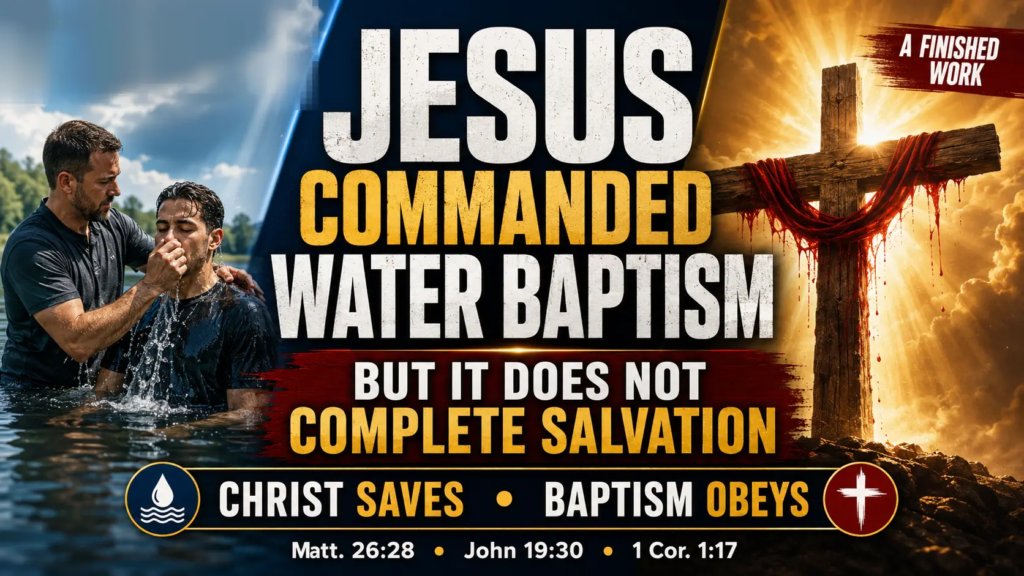
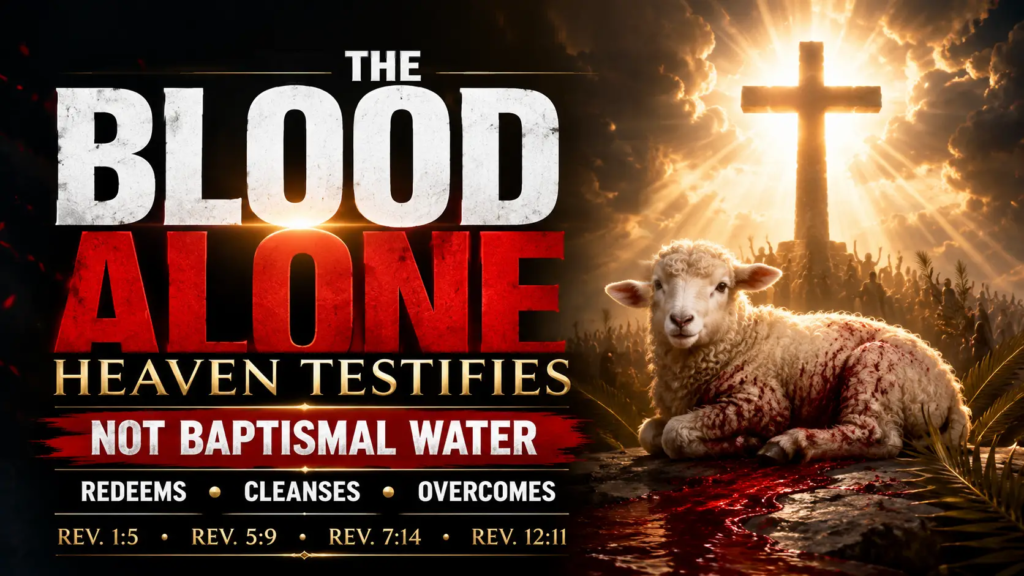
Baptism is a command of the Lord Jesus and a precious act of obedience — but it does not save, wash away sin, or apply His blood. This series examines what Scripture actually teaches about water baptism.
Does Water Baptism Save You?
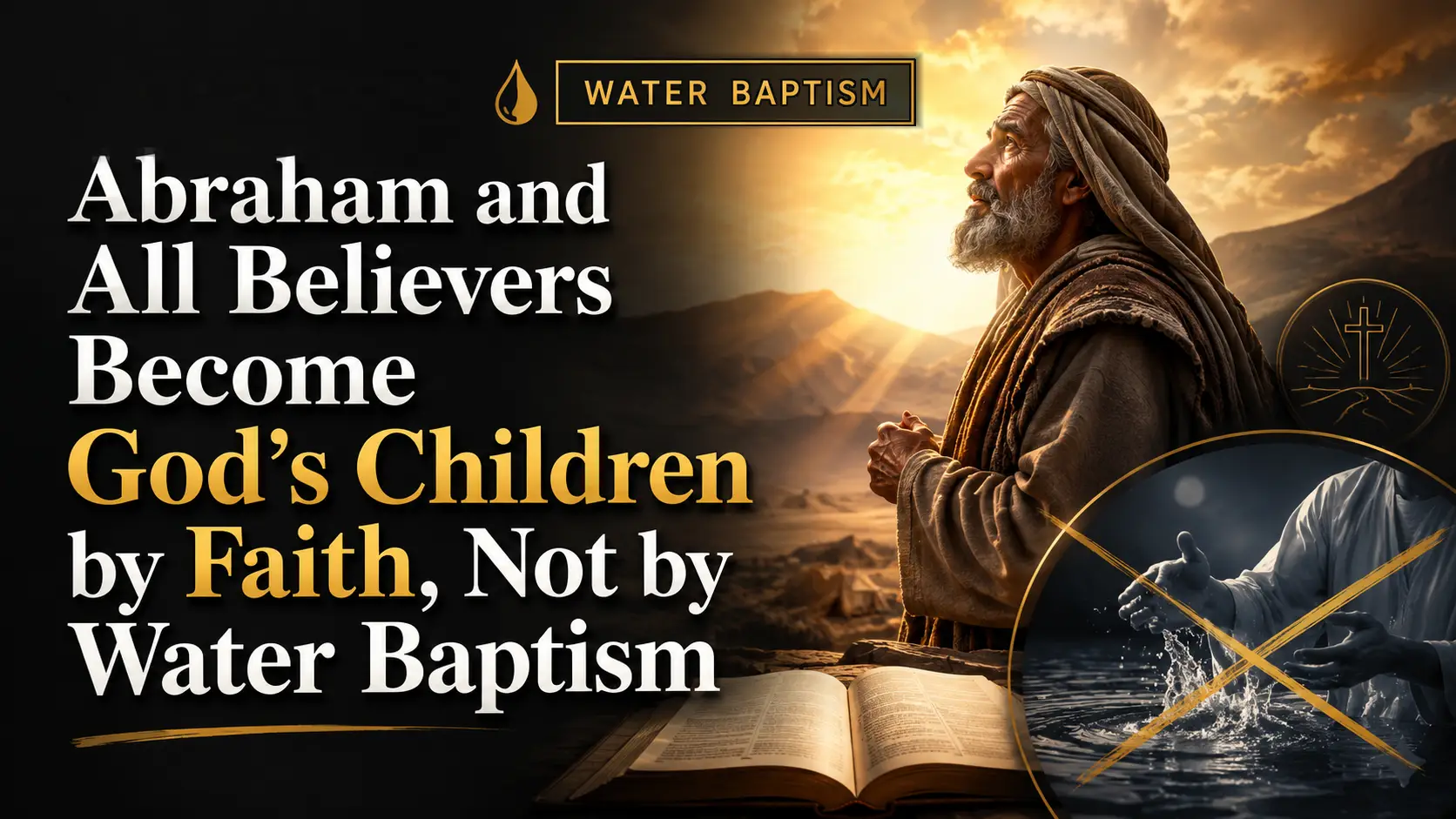
This is the question the whole series answers. Scripture presents water baptism as a command of Christ (Matthew 28:19) and a precious act of obedience for the believer — but never as the means of salvation. Forgiveness, cleansing, and eternal life are assigned to the blood of Christ, received by faith (Ephesians 1:7; 1 John 1:7; Ephesians 2:8–9). Baptism pictures and publicly confesses that faith; it does not produce it. As Peter says, baptism saves “not the putting away of the filth of the flesh, but the answer of a good conscience toward God” (1 Peter 3:21).
The Pattern the New Testament Shows
Read in order, the New Testament shows one consistent pattern: the gospel is preached, heard, and believed; the believer is saved by grace through faith; and baptism follows as obedience. At Pentecost, “they that gladly received his word were baptized” (Acts 2:41). Cornelius received the Holy Spirit before he was ever baptized (Acts 10:44–48). The thief on the cross was promised paradise with no baptism at all (Luke 23:43). Baptism is important and commanded — but it is the fruit of salvation, not its root.
How to Use This Series
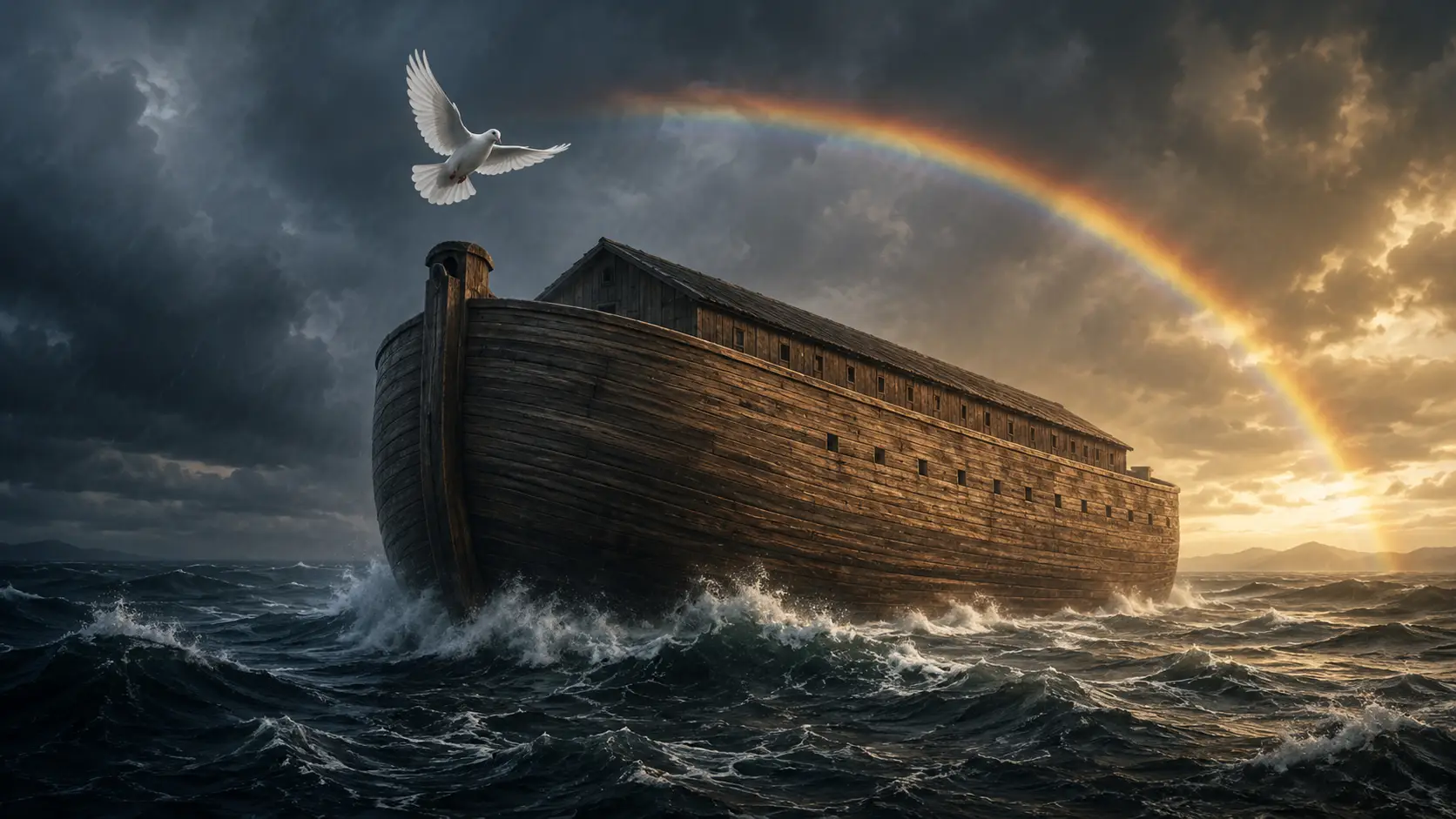
The articles below examine the passages most often used to teach baptismal salvation — Mark 16:16, Acts 2:38, 1 Peter 3:21, and the case of Noah — and let each one speak in its full context. A good place to begin is “Water Baptism Is an Act of Obedience, Not the Cause of Salvation” — or choose a topic below.
Common Questions
Does water baptism save you?
No. Scripture places salvation on faith in Christ and the power of His blood, never on water (Ephesians 2:8–9; 1 Peter 3:21). Baptism is commanded obedience that follows salvation, not the cause of it.
Should believers still be baptized?
Yes. Jesus commanded it (Matthew 28:19), and every believer should obey with joy. Baptism is a public confession of the faith that already saves — obedience, not the means of salvation.
What does 1 Peter 3:21 mean by “baptism doth also now save us”?
Peter immediately defines it: “not the putting away of the filth of the flesh, but the answer of a good conscience toward God.” Baptism saves as a picture and pledge of the faith that lays hold of Christ’s resurrection — not as a washing that removes sin.
Published in This Series
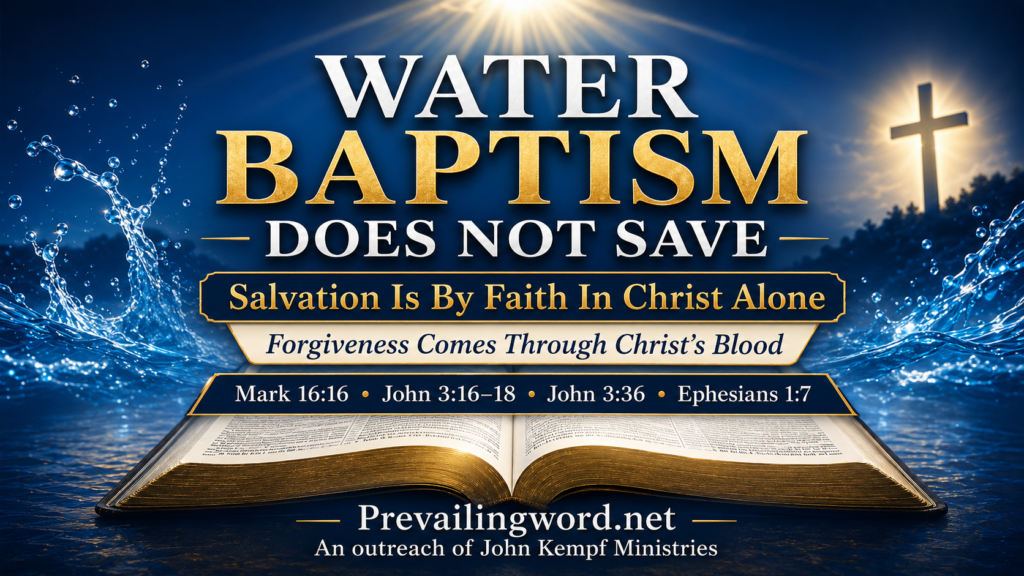
- Water Baptism
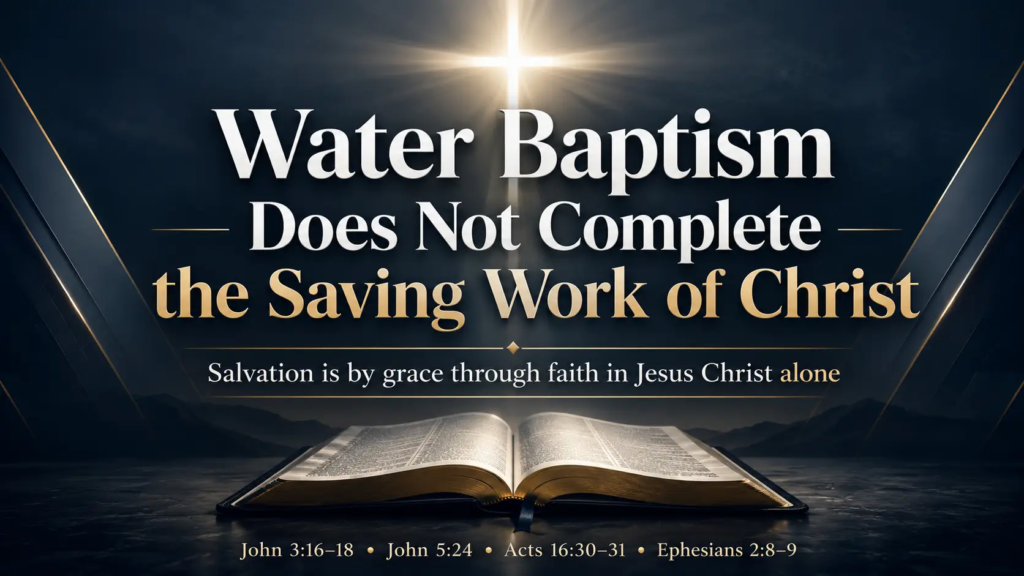
- Water Baptism
- Water Baptism
- Water Baptism
- Water Baptism
- Water Baptism
- Water Baptism